
Marine Elevator Daily Safety Checks: A Practical Checklist for Ship Crews
A marine elevator operates in a demanding environment shaped by vibration, humidity, salt-laden air, temperature changes and vessel movement. Debris in a door sill, a new machine noise, oil leakage, visible rope deterioration or a failed emergency telephone can develop between scheduled service visits. A simple, repeatable ship elevator daily safety check helps the crew identify change early and report it before the condition becomes a breakdown.
The purpose of a crew check is observation, basic housekeeping, functional confirmation and prompt reporting. It does not authorise untrained personnel to dismantle, adjust or repair the elevator. Energised controllers, rotating machinery, the car top, hoistway and pit must only be accessed by competent and authorised personnel under the vessel's safety procedures.
1. Landing doors, car doors and sill cleanliness
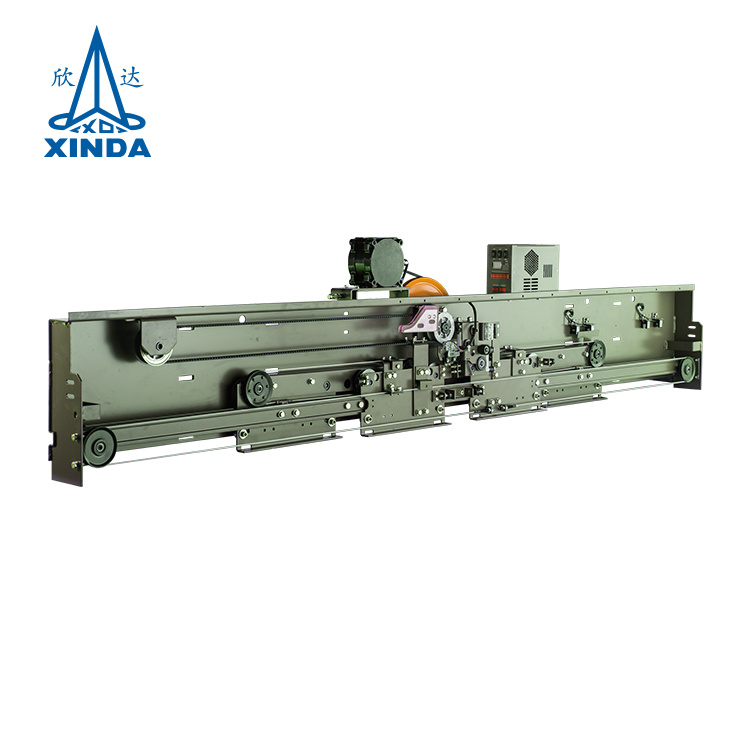
Landing and car doors are used on every trip and form an essential barrier to the hoistway. From the normal operating position, check that opening and closing are smooth and consistent. Look and listen for shuddering, rubbing, hesitation, unusual noise or incomplete closing.
- Remove grit, packing straps, oil and loose debris from the sill grooves.
- Check for obvious impact damage or distortion to panels, frames and sills.
- Confirm the light curtain, safety edge or other anti-entrapment device responds as specified.
- Never force a door, bypass an interlock or bridge a safety circuit when a fault is present.
2. Machine space: traction machine, leakage and controller warning signs
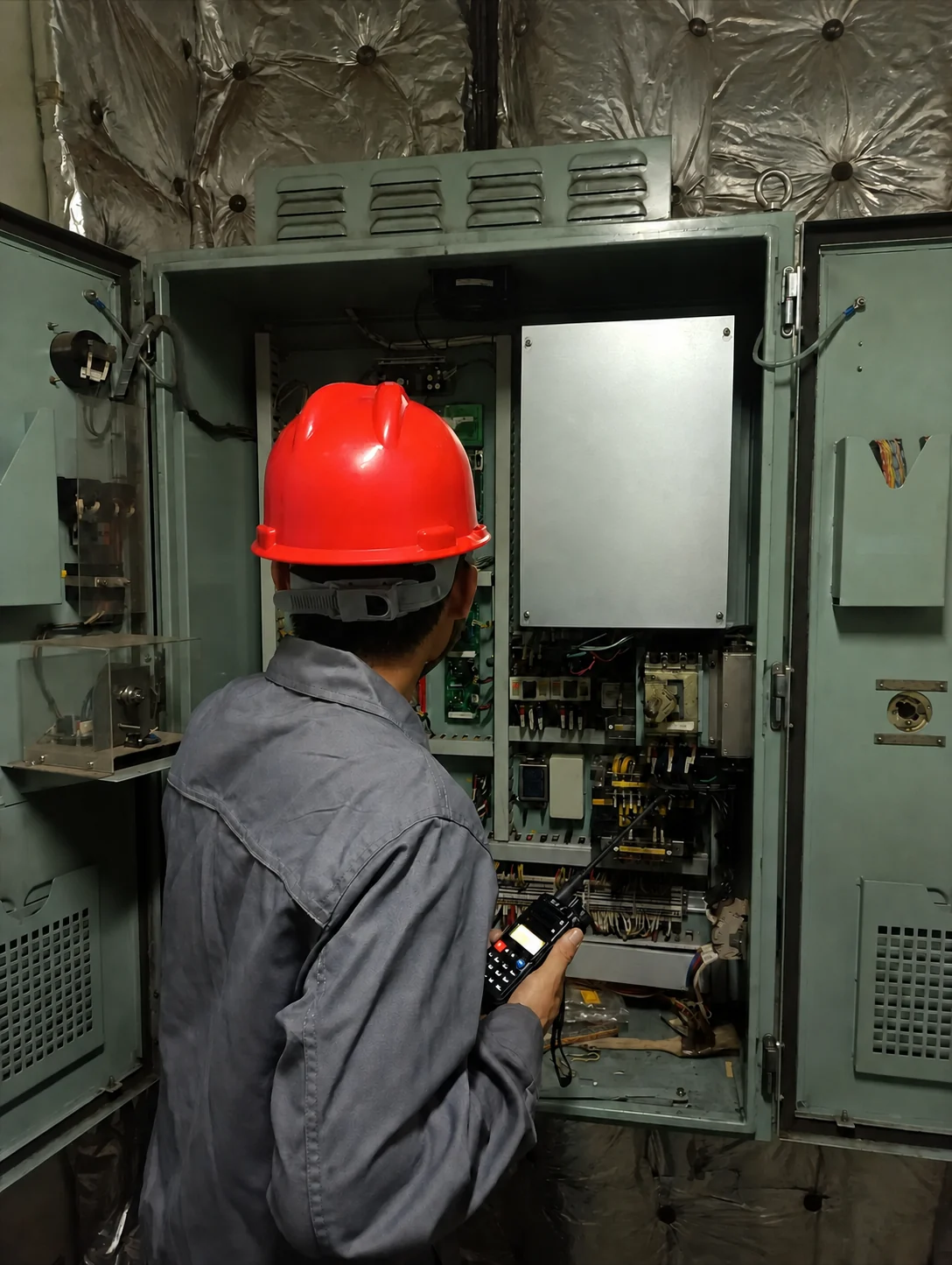
When access is authorised and the machine space is safe, observe the marine elevator drive from the designated position. Compare its sound and vibration with normal operation. New grinding, knocking, squealing or heavy vibration requires investigation. Fresh oil, continuous dripping or a significant change in oil level around the machine, gearbox or brake area should also be recorded.
Controller observation must follow the vessel's electrical-safety rules and the manufacturer's instructions. Crew members who are not authorised for electrical work must not open an energised cabinet or touch components. Visible arcing, repeated abnormal contactor operation, smoke, a burning smell, unusual buzzing or excessive heat are stop-service conditions.
| Item | Normal observation | Reportable warning sign |
|---|---|---|
| Traction machine | Sound and vibration remain consistent | New grinding, impact, squeal or severe vibration |
| Lubrication and seals | No fresh leakage; level within the specified range | Continuous drip, heavy oil trace or abnormal level |
| Controller | No burning smell, smoke or discharge noise | Arcing, smoke, abnormal contactor action or alarms |
3. Hoistway observations, suspension ropes and guide lubrication
The hoistway is a high-risk area. Routine crew observations should use only designated safe viewing points. Do not enter the hoistway, pit or car top without authorisation, isolation and the required safe system of work.
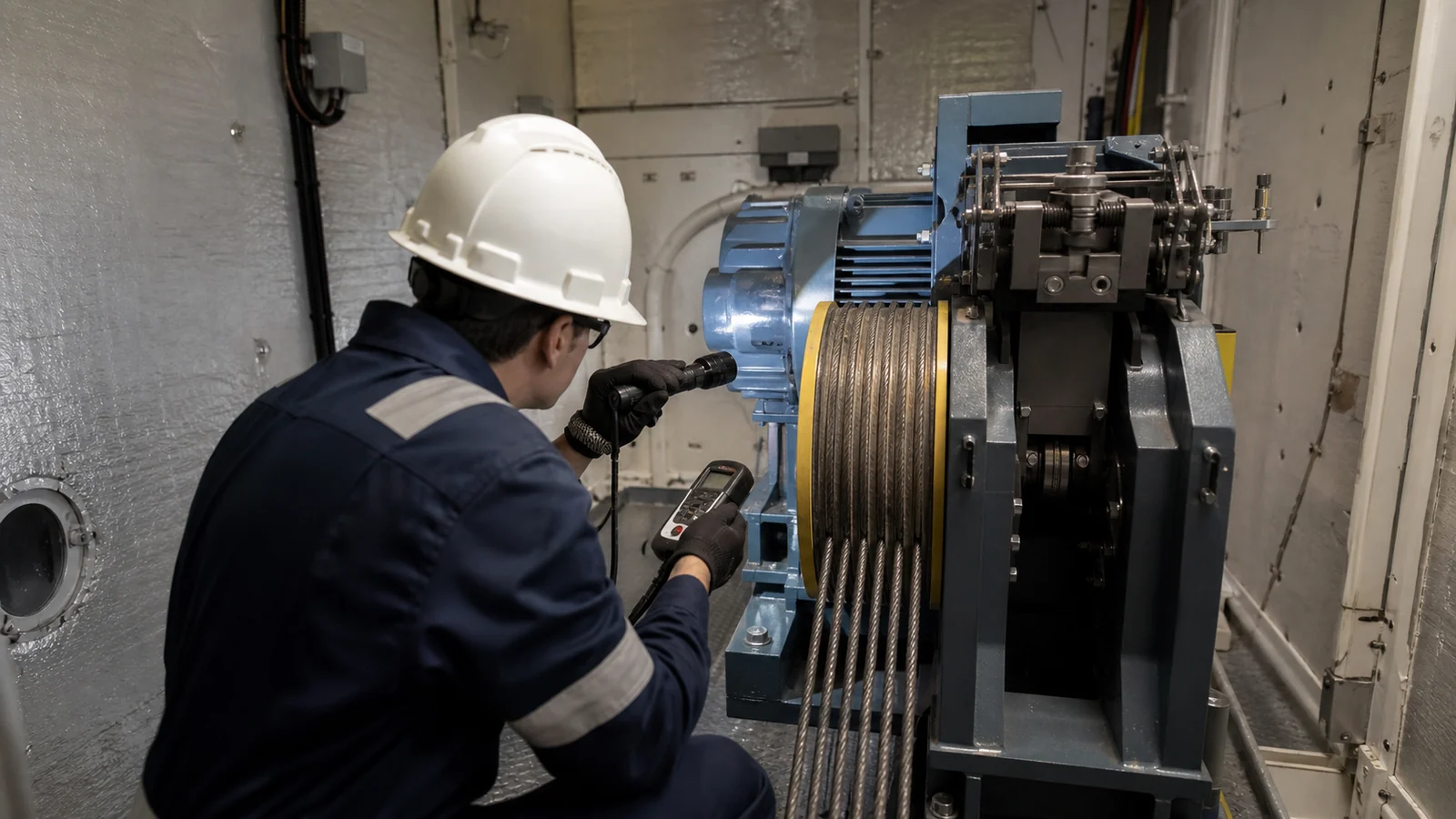
Look for obvious broken wires, strand distortion, corrosion, unusual wear or heavy oil contamination on suspension ropes. A large difference in the apparent condition or tension of adjacent ropes should be reported. Guide rails and guide shoes require controlled lubrication: dry running is undesirable, but excessive oil, dripping and contamination are also warning signs. Repeated vibration or rubbing at the same deck should be recorded with the location.
4. Emergency telephone, alarm and loss-of-power readiness
During a power loss or elevator failure, the car telephone or intercom, alarm and emergency lighting connect trapped passengers with the bridge or duty crew. Test the system at the interval defined by the vessel's safety management system. Confirm that a call connects, speech is clear in both directions, the receiving station recognises the elevator location, and a responsible person answers.
Do not interrupt the main supply casually as a test method. Loss-of-power and backup-supply tests should follow the maker's manual, vessel risk assessment and approved procedure. If the telephone is silent, intermittent or unanswered, establish an interim communication control and restrict elevator use until the fault is corrected.
5. Keep a short, traceable inspection log
A useful log identifies the date, time, elevator, checker, result and action taken. A photograph or short video can support remote diagnosis, but nobody should enter a hazardous area solely to obtain an image.
| Area | Daily or routine observation | Action when abnormal |
|---|---|---|
| Doors and sills | Movement, noise, panels, sill cleanliness and protective devices | Do not force operation; restrict use and report |
| Machine space | Machine noise, vibration, leakage, smell, arcing or alarms | Stop and isolate; record the condition and call service |
| Hoistway-related condition | Rope appearance, oil contamination, rail lubrication and location-specific noise | Stay outside hazardous areas; identify the location for technicians |
| Emergency system | Telephone, intercom, alarm, emergency light and response | Provide interim communication and restrict use until repaired |
6. What should the vessel do after finding an abnormal condition?
- Protect people first: do not continue test runs when a safety-related defect is suspected.
- Isolate and label: follow the vessel procedure and place out-of-service notices at served decks.
- Record the fault: note the time, deck, travel direction, load, sound, alarm code and repeat conditions.
- Capture safe evidence: take photographs or video only from an approved safe position and collect recent maintenance records.
- Contact marine elevator service: send the vessel schedule, port, agent and equipment file so the provider can plan technicians, spares and boarding clearance.
Daily checks, professional maintenance and annual inspection are different
A crew marine elevator daily safety inspection is based on observation, housekeeping, simple functional checks and reporting. Professional maintenance includes technical cleaning, lubrication, measurement, adjustment and component care. A marine elevator annual inspection systematically assesses mechanical, electrical and safety functions and documents the result. All three support safe operation; none replaces the others.
Consistent ship elevator checks provide better evidence for the next service visit, annual inspection or marine elevator repair in China ports. More importantly, they help the vessel recognise a developing fault before it disrupts a short port call or becomes an emergency.