
How Elevator Installation Quality Affects Ride Performance and Service Life
In many export elevator projects, buyers naturally focus on brand, load capacity, speed, number of stops, door arrangement and price. Those items are important, but after handover the daily ride quality depends just as much on elevator installation quality.
A well-installed lift runs more smoothly, produces less noise, keeps door faults under control and reduces uneven wear. If rail alignment, landing-door adjustment, traction-machine setup or commissioning is poor, even a good elevator package may suffer vibration, leveling problems, door failures and a shorter service life.

1. Guide rail alignment: the foundation of a smooth ride
The guide rails define the path of the car and counterweight. During elevator installation, technicians need to control rail verticality, gauge, joint quality, bracket stiffness, rail-face alignment and the overall straightness of the rail line.
When customers mention horizontal accuracy, the practical concern is usually the relative left-right and front-back position of the rails, rail gauge and rail-face consistency. Poor guide rail alignment can cause car vibration, noise at rail joints, abnormal guide shoe or roller wear, and extra adjustment work during maintenance.
| Installation item | Possible operating symptom | Long-term impact |
|---|---|---|
| Rail verticality | Car vibration or unstable ride | Faster guide shoe or roller wear |
| Rail joints and gauge | Impact or noise at certain positions | Local wear and repeated adjustment |
| Bracket fixing | Periodic vibration or structural noise | Reduced stability and service life |
2. Door installation accuracy: many service calls start here
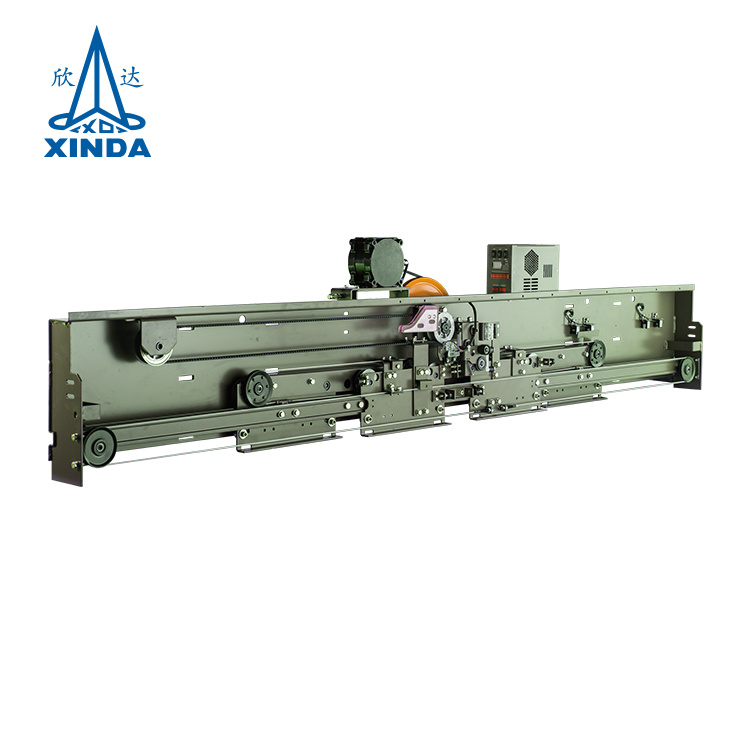
The elevator door system includes landing doors, car doors, door operator, door locks, sill, clutch, rollers and safety devices. In building elevators, door-related issues are among the most common reasons for callbacks, so door installation accuracy is not a minor detail.
Key checkpoints include door-frame and door-panel verticality, sill level, door gaps, clutch and roller position, door operator synchronization and the center split of a two-panel center-opening door. If the center split is not adjusted properly, one door panel may lead while the other lags, creating extra wear on hangers, rollers, sill grooves and locks.
- Poor door-panel verticality can lead to rubbing, incomplete closing and noisy operation.
- Incorrect sill level or door gap adjustment may affect passenger access and door-lock engagement.
- Door operator speed, closing force and center alignment affect comfort, reliability and safety-device performance.
3. Traction machine setup and commissioning curves
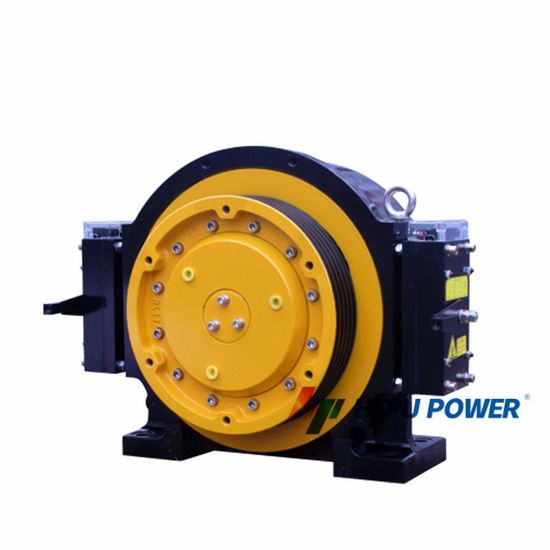
The traction machine, brake, sheave, ropes, encoder and controller together determine starting, acceleration, deceleration, braking and leveling. After installation, the question is not only whether the elevator can run, but whether its running curve and test curve are stable.
The running curve should be checked for smooth start, suitable acceleration and deceleration, low jerk, accurate leveling and stable braking. Test curves help engineers review current, speed, braking response, protection logic and system behavior under different load conditions. Exact tolerances must follow the manufacturer documentation, project specification and local acceptance rules.
For export elevator projects, installation support should be discussed during the elevator sales stage. The buyer, local installer and supplier should agree who provides commissioning support, which tests are recorded and what documents are needed for handover.
4. How installation quality becomes operating quality
Installation problems often appear gradually. A small alignment error may later show up as noise, vibration, faster wear, door faults or repeated leveling correction. That is why a serious elevator installation plan should include measurement records, adjustment records, commissioning data and final ride testing.
| Quality area | Technical influence | What users notice |
|---|---|---|
| Guide rails | Car path and stability | Smoothness, vibration and noise |
| Door system | Door movement and lock engagement | Door failures, rubbing or noisy closing |
| Machine and brake setup | Starting, stopping, leveling and braking | Jerky ride or inaccurate leveling |
| Running curve | Speed transition and comfort | Soft ride, reliable arrival and stable operation |
5. Practical advice for export elevator procurement
For an export elevator or overseas building project, installation should not be treated as a separate afterthought after equipment delivery. A complete elevator sales proposal should connect product selection, technical drawings, export documents, installation guidance, commissioning and final acceptance.
- Before procurement, confirm shaft dimensions, stops, openings, machine-room conditions, power supply and civil-work tolerances.
- In the contract, define installation guidance, commissioning support, technical files, wearing parts and spare-parts scope.
- During installation, keep records for guide rails, landing doors, traction machine, door operator and control-system commissioning.
- Before handover, check running curves, test curves, door movement, leveling accuracy and ride comfort.
Conclusion: good installation is the first quality control for long-term operation
Elevator installation quality directly affects ride comfort, reliability, maintenance cost and service life. For hotels, factories, commercial buildings and overseas projects, installation accuracy and commissioning quality should be part of the early technical discussion, not only a final site issue.
KERUI supports building elevator selection, elevator sales, export elevator configuration, installation coordination and project documentation. Final installation and acceptance requirements should always follow local regulations, manufacturer instructions and actual site conditions.